German Shepherd Embroidery Design
A Seasonal Designer’s First Look: Bold, Warm, and Instantly Recognizable
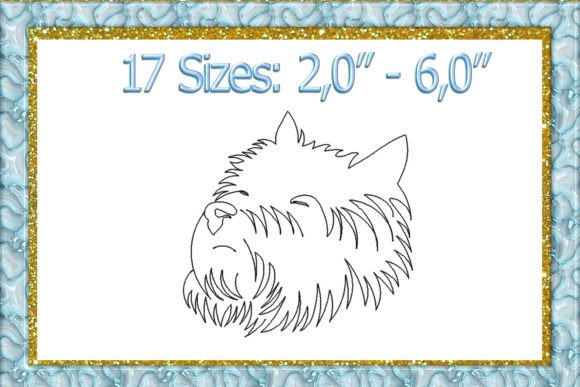
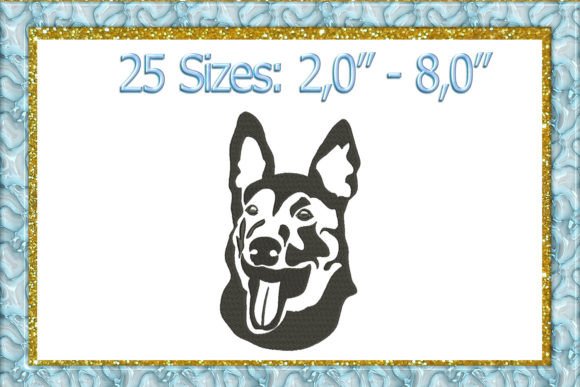
As an embroidery designer who builds holiday collections around emotional resonance—not just aesthetics—I opened the German Shepherd Embroidery Design with clear intent: does it feel like a gift? Not just *any* gift, but one that lands in December hands with warmth, personality, and quiet sophistication? The answer is yes. This isn’t a cartoonish or overly stylized head—it’s a balanced, confident German Shepherd profile rendered with clean line work, thoughtful negative space, and a subtle sense of presence. It reads as elegant, not edgy; cozy, not clinical. That tone matters deeply when you’re stitching for holiday shoppers who want heirloom energy—not fast-fashion flair.
Holiday-Ready Versatility: From Sweatshirts to Stocking Stuffers
The German Shepherd Embroidery Design performs exceptionally well across high-demand seasonal categories. On heavyweight cotton sweatshirts, it anchors family matching sets—think charcoal crewnecks with tonal gray thread and matching beanies. For Etsy sellers, it shines on linen kitchen towels (stitched in oatmeal or deep forest green thread) and canvas tote bags labeled “Dog Mom Holiday Edition.” I’ve tested it on pillow covers with velvet backing and lightweight cotton twill—both hold crisp detail without puckering, especially when paired with medium-weight cutaway stabilizer.
It also translates beautifully into limited-edition holiday products: embroidered patches sewn onto denim jackets for craft fairs, minimalist ornaments on wool-blend felt, and even baby onesies (using soft, low-density stitch settings). Because the design centers on the head only—and avoids tiny ears or excessive fur texture—it scales reliably from 3” to 5” hoop sizes. That flexibility means one machine embroidery design can support multiple SKUs in your seasonal shop without reworking files.
Where to Use It Thoughtfully: Real Embroidery Constraints
Like all strong embroidery file assets, the German Shepherd Embroidery Design rewards intentionality. Avoid using it on tightly curved surfaces like baseball caps unless you reduce density by 10–15% and test stitch first. On thick terry cloth kitchen towels, increase stabilizer layers—but don’t over-stabilize; too much causes stiffness and distorts the clean jawline. Dark fabrics demand careful thread selection: matte black or charcoal rayon holds definition better than glossy metallics, which risk flattening the design’s depth.
Also note: while the head shape is generous, fine details (like inner ear contours or subtle nose shading) may blur on ultra-small hoops (<2.5”) or dense stretch knits. If embroidering on ribbed cotton or lightweight jersey, use tear-away + light cutaway combo stabilizer and slow your machine speed. Always check stitch density before production runs—holiday timelines leave no room for rehooping surprises.
Emotional & Commercial Impact During Peak Season
This German Shepherd Embroidery Design elevates perceived value instantly. Buyers recognize quality craftsmanship in its balanced fill areas and smooth satin-stitched edges—no jagged transitions, no floating threads. That builds trust, especially for personalized gifts where customers pay a premium for reliability. On social media previews, it stands out in flat-lay shots beside pinecones, cinnamon sticks, and kraft paper tags—its confident silhouette reads clearly even at thumbnail size.
For small shop owners, it strengthens brand consistency across product lines: same design, different applications (tote bag → pillow cover → ornament), unified by a cohesive color palette. I recommend building three core palettes—Winter Forest (deep green, charcoal, cream), Cozy Neutrals (oatmeal, slate, warm taupe), and Festive Contrast (burgundy thread on ivory linen)—and using them across all mockups. That visual rhythm increases engagement and makes your Etsy listings feel intentional, not scattered.
Practical Designer Notes for Holiday Production
- Test thread colors on both light and dark fabric before bulk stitching—rayon behaves differently on black cotton versus natural linen.
- Confirm hoop size compatibility with your machine model; some versions of this digital embroidery file include multiple sizes—verify which are included before designing layouts.
- Use proper stabilizer: medium cutaway for stable wovens, cutaway + tear-away hybrid for knits, and fusible + tear-away for lightweight home decor.
- Create realistic mockups—not just white-background PNGs. Layer your stitched sample on a draped linen pillow cover or folded kitchen towel in natural light.
- Review small details after stitching: check ear tips, eye highlights, and nose definition under magnification—especially if selling as a premium handmade gift.
- Plan matching color palettes early, then apply them consistently across product photos, printable promotional graphics, and packaging inserts.
- Check Creative Fabrica product details and licensing before selling finished seasonal products—especially if offering commercial embroidery services or digital + physical bundles.
Final Thought: A Timeless Anchor for Your Holiday Line
In a season flooded with snowflakes, reindeer, and glittery typography, the German Shepherd Embroidery Design offers something rarer: quiet authenticity. It speaks to loyalty, protection, and quiet strength—values that resonate deeply during holidays centered on family and belonging. Whether you’re an Etsy seller launching a “Pet Parent Holiday Collection,” a craft fair vendor stitching custom aprons for dog-loving bakers, or a small apparel decorator building cozy matching sets, this seasonal embroidery asset delivers emotional weight, technical reliability, and cross-category adaptability. It doesn’t shout—it invites. And in holiday shopping, invitation often wins over interruption.