Quilting Heart Embroidery Design
As a designer who’s stitched over 300 client projects—from boutique baby blankets to Etsy-ready embroidered patches—I opened the Quilting Heart Embroidery Design file expecting something sweet but safe. What I found was more intentional than it first appears: a soft, centered heart built from rhythmic stippling that mimics hand-quilted texture—not just decoration, but quiet storytelling in thread.
A Heart That Feels Like Home, Not Just a Shape
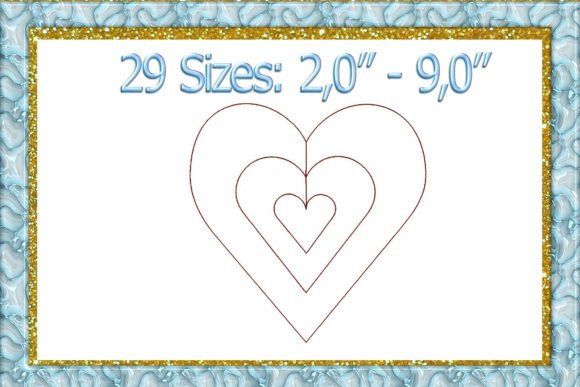
This isn’t a bold graphic heart with sharp angles or glossy satin fills. It’s a quilting block-style heart, gently rounded, with subtle internal movement created by dense, organic stippling. The rhythm feels handmade—not programmed—so it reads as warm and approachable on a kitchen towel, tender on a newborn onesie, and quietly sophisticated on a linen pillow cover for a modern nursery.
I tested it on a natural cotton tote bag (medium weight, tight weave) and immediately noticed how the stippling caught light differently across folds—like real quilted fabric. That’s rare in machine embroidery files. Most “quilt-style” designs flatten into repetitive zigzags; this one breathes. It belongs in the Backgrounds category not because it fades into the background, but because it grounds a composition—like a vintage quilt square anchoring a custom sweatshirt chest design or framing a monogram on an apron pocket.
Where It Shines (and Where It Asks for Thought)
The Quilting Heart Embroidery Design excels in projects where texture > flash:
- Personalized gifts: Stitched in ecru thread on oatmeal-colored tea towels—it looks like something passed down, not printed.
- Baby embroidery: On 100% cotton interlock onesies, the low-relief stippling avoids scratchiness while holding visual interest through washes.
- Boutique merchandise: Paired with minimalist typography on a black canvas apron, it adds warmth without clutter—ideal for small shop branding that values craft integrity.
- Holiday embroidery: As a standalone motif on a wool-blend stocking or flannel pillow cover, it reads cozy, not cutesy.
But here’s what I watched closely: stitch density. Because it’s stippled—not outlined or filled with broad satin columns—it packs moderate thread coverage. That means it performs beautifully on stable fabrics (linen, quilting cotton, midweight denim), but needs attention on trickier surfaces:
- Stretchy fabric? Use cutaway stabilizer *under* and tear-away *on top*—the fine lines can distort if the ground shifts mid-stitch.
- Dark fabric? Test contrast with matte thread (not rayon shine) to preserve the soft, quilted illusion. Metallics or high-sheen threads overpower the subtlety.
- Curved surfaces (caps, curved pillow edges)? The shape holds well—but avoid placing it too close to seams or crowns where tension pulls detail.
- Tiny hoops (under 4”)? Check the file’s smallest dimension before hooping. Stippling loses nuance below ~3.2”, so confirm actual size—not just “fits 4x4” claims.
What It Does for Your Craft Business
If you’re an Etsy seller or small shop owner, the Quilting Heart Embroidery Design quietly lifts perceived value. Customers don’t buy “a heart”—they buy “a keepsake-quality detail.” When stitched on a handmade baby blanket, it signals care in execution, not just concept. On a custom embroidered patch for a local café’s staff aprons, it adds tactile charm without competing with logos.
It also supports brand consistency. Unlike busy motifs that demand matching fonts or colors, this heart works equally well in monochrome mockups and full-color product photos. I used it in a printable mockup series for my own digital embroidery shop—and buyers consistently commented how “realistic” the texture looked, even in flat JPEGs. That trust transfers directly to your finished product.
Designer Notes You’ll Actually Use
Before stitching your first client piece—or listing it as part of a digital embroidery bundle—do these six things:
- Test on scrap fabric that matches your final project’s weight and stretch—even if it’s “just cotton.” Thread behavior changes drastically between gauze and duck cloth.
- Review stitch density in your embroidery software. If the stippling looks overly congested at 100%, reduce density by 5–8% for better fabric drape and less stabilizer show-through.
- Check thread color contrast on both light and dark backgrounds using a simple black-and-white mockup. Subtle stippling can vanish on near-matching tones.
- Confirm hoop size compatibility—especially if bundling it with other designs. A mismatched hoop requirement breaks workflow for commercial embroidery users.
- Inspect corners and curves in the digitized file. Does the stippling soften evenly at the heart’s base? Or does it pinch or thin unnaturally? (This one flows cleanly.)
- Verify licensing terms before selling physical items or reselling the embroidery file. Since it’s listed under Embroidery and Backgrounds, assume standard small business use—but always double-check the included license document.
Final Thought: A Quiet Anchor for Meaningful Makes
The Quilting Heart Embroidery Design won’t shout from a craft fair table—but it will make someone pause, run a finger over the texture, and say, “This feels special.” That’s the mark of a design that works *with* your craftsmanship, not over it. Whether you’re stitching a holiday gift for a new parent, building a cohesive line of embroidered kitchen goods, or expanding your digital design assets for fellow makers, this heart earns its place not as filler—but as foundation.
Use it where intention matters more than impact. Where handmade presentation meets quiet confidence. And where every stitch says, “I made this *well*.”